
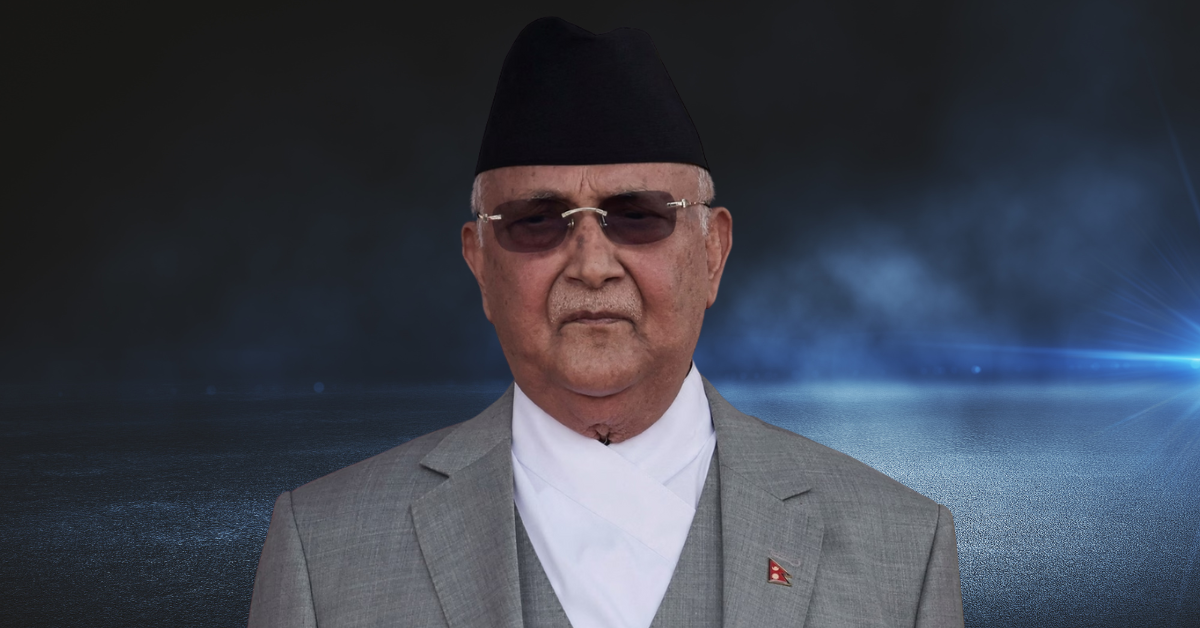
Kathmandu — Nepal’s Prime Minister KP Sharma Oli has called for a high-level investigation into the violent protests that left 19 protesters dead and hundreds injured. The demonstrations, led by the youth under the hashtag “Gen-Z Protest,” were sparked by widespread frustration over corruption and a sweeping government ban on major social media platforms.
In his statement, PM Oli expressed deep grief, calling the loss of young lives “unimaginable.” He stressed that the government never intended to shut down social media, clarifying that the platforms were blocked temporarily to enforce a Supreme Court directive requiring registration.
Protecting democratic expression, he vowed, “The government was not in favour of stopping the use of social media—and it never planned to.” Still, amid rapid unrest, authorities backed down. Access to Facebook, WhatsApp, Instagram, X, and others has now been fully restored, responding to public outrage and the scale of unrest.
Oli announced the formation of an investigative committee, which has been given 15 days to report on what triggered the protests, how the violence escalated, and how such tragedies can be prevented in the future. He also pledged compensation for victims’ families and free medical care for the injured.
However, he attributed much of the chaos to outside forces, suggesting that “infiltrators” hijacked what was meant to be a peaceful demonstration, turning it destructive. Security forces had responded with water cannons, tear gas, and live fire, raising serious concerns about excessive force.
In the wake of the violence, Home Minister Ramesh Lekhak resigned, accepting moral responsibility for the fallout. The protests and the sudden ban starkly highlighted young Nepalis’ outrage toward their government’s grip on power—and the limits of freedom under fire.