
Jerusalem: Israeli Prime Minister Benjamin Netanyahu has rejected a major Gaza reconstruction plan, even as reports indicate that at least 2,700 families in the territory have been completely wiped out and vast areas lie in ruins following months of conflict.
In a televised statement, Netanyahu said Israel cannot support the current terms of the proposed reconstruction efforts, citing security concerns and conditions he described as unacceptable. He stressed that any rebuilding initiatives must ensure that materials and funds do not benefit armed groups or undermine Israel’s security.
Netanyahu’s remarks come amid growing international pressure to address the severe humanitarian crisis in Gaza, where infrastructure, homes, schools, and hospitals have been damaged or destroyed. Aid agencies and world leaders have repeatedly called for a comprehensive reconstruction strategy to provide shelter, services, and economic opportunities for the population.
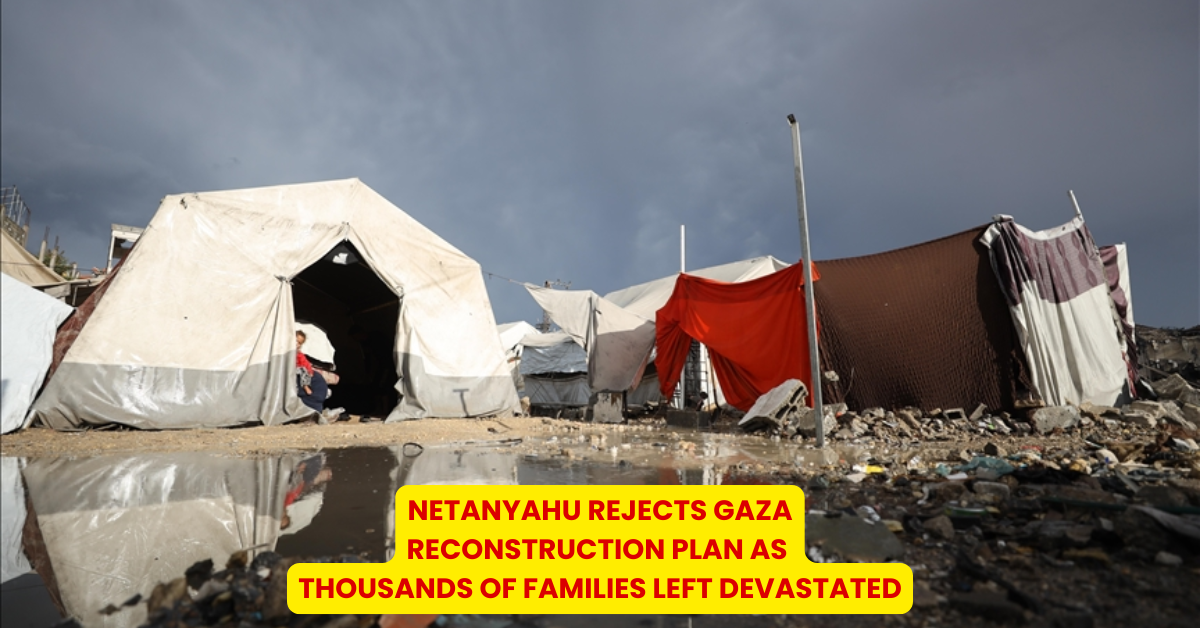
According to local accounts and community sources, thousands of families have lost their homes entirely, with entire neighbourhoods reduced to rubble. The scale of destruction has left countless people displaced and struggling to access basic necessities such as clean water, electricity, and medical care.
Despite these conditions, the rejection of the current reconstruction blueprint has raised concerns among humanitarian groups that delays could prolong human suffering. Some international envoys have urged both sides to find common ground on terms that balance security needs with urgent aid and rebuilding requirements.
Netanyahu reiterated that future reconstruction must occur under strict oversight and safeguards to prevent the diversion of resources to militant organisations. He suggested that any viable plan should include robust monitoring mechanisms and involve international partners in ensuring compliance.
Critics of Israel’s position argue that prolonged delays in reconstruction deepen the crisis for ordinary civilians who are not involved in armed conflict. They have called for an immediate, unconditional start to rebuilding efforts, alongside sustainable pathways to peace and stability.
Residents in Gaza have expressed frustration and despair as they continue to live amid rubble and limited resources. Families who lost loved ones and homes are facing an uncertain future, with many relying on humanitarian assistance for daily survival.
The impasse over reconstruction reflects broader political and security challenges in the region, and observers say progress will depend on diplomacy, negotiation, and mutual concessions.