
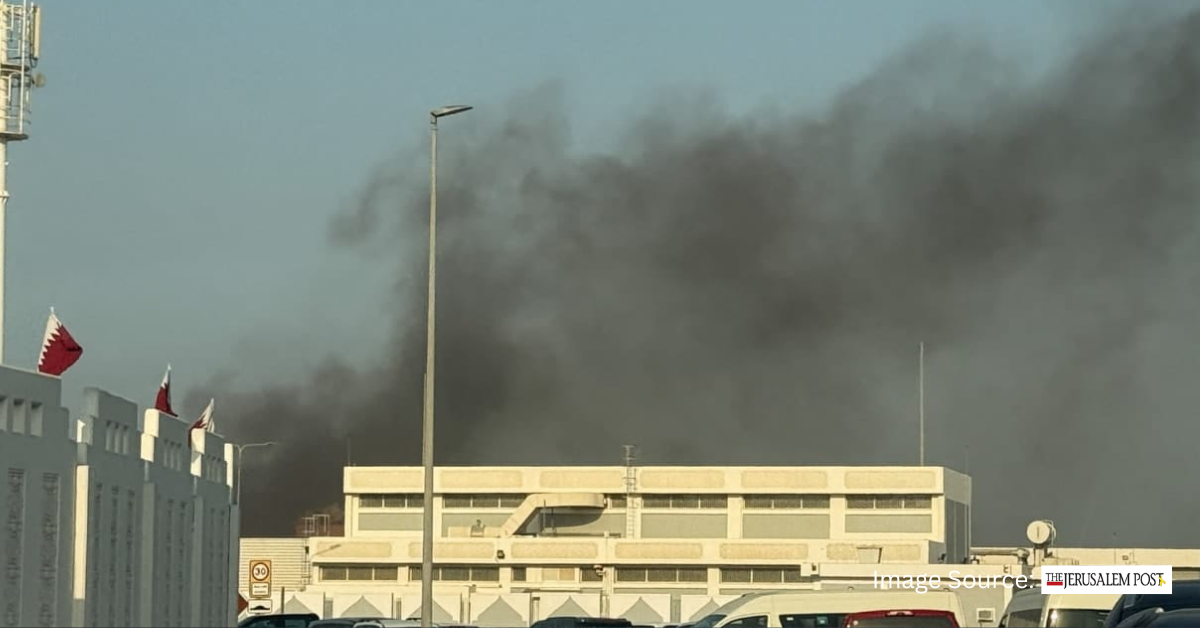
Doha woke up to shock and disbelief after Israeli warplanes struck a residential area in the Qatari capital, targeting Hamas leaders in exile. The late-night airstrike tore through Leqtaifiya, one of Doha’s busiest neighborhoods, killing five Hamas members and a Qatari security officer. Hamas officials said their top negotiators survived, but the message was clear—Israel is now willing to take the war beyond Gaza.
The attack came just as Hamas leaders were reviewing a U.S.-backed ceasefire proposal. Qatar, long seen as a key mediator in the conflict, called the strike “state terrorism” and accused Israel of sabotaging peace talks. “This was an attack not only on Hamas, but on the very heart of mediation,” a senior Qatari official said.
The fallout was immediate. Turkish President Recep Tayyip Erdoğan condemned Israel’s action as state-sponsored terror, while European leaders and the U.N. criticized the violation of Qatar’s sovereignty. In the Gulf, the strike rattled regional allies who have relied on Qatar’s role as a bridge between warring sides.
The United States also found itself in an awkward position. President Donald Trump called the strike “unfortunate,” admitting it did not serve American or Israeli interests. But Washington’s hesitant response has raised new doubts in the region about whether the U.S. can still be trusted as a reliable security partner.
For many, the timing could not be worse. Peace efforts already hanging by a thread now face collapse. The talks that were meant to bring relief to Gaza and secure the release of hostages may stall indefinitely. Analysts warn that by striking inside a mediating state, Israel may have crossed a line that risks igniting wider instability across the Gulf.
As the smoke cleared over Doha, one thing became evident—this was more than just a strike on Hamas. It was a strike on diplomacy itself.