
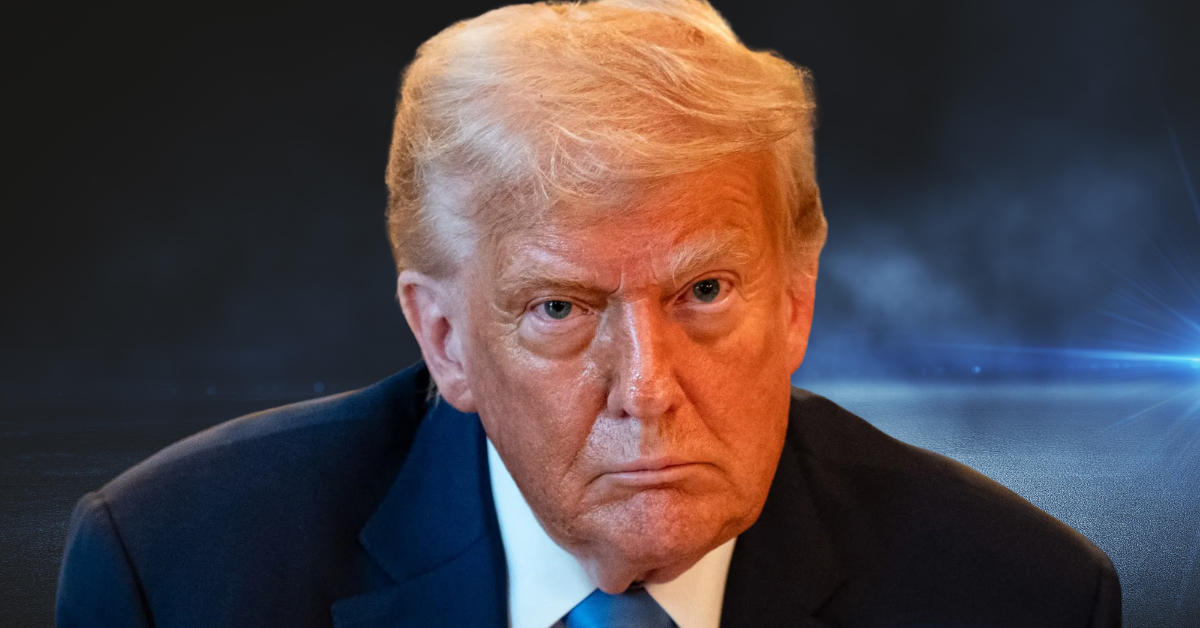
Washington — In a sharp response to Moscow’s largest aerial assault on Ukraine, President Donald Trump confirmed he is prepared to launch a “second phase” of sanctions against Russia. The announcement came just hours after Russia unleashed a record-breaking drone and missile attack that devastated parts of Kyiv, including its Cabinet building, and resulted in civilian casualties.
At a White House briefing, a reporter asked if he was ready to escalate sanctions. Trump answered plainly: “Yeah, I am.” Though he offered no specifics, the tone marked a clear shift toward tougher economic pressure, stepping beyond prior diplomatic restraint.
U.S. Treasury Secretary Scott Bessent added depth to the threat, suggesting the U.S. and its European allies could impose secondary sanctions on nations still importing Russian oil. The push is framed as economic leverage intended to cripple the Kremlin’s war economy and compel President Putin to the negotiating table.
The deadly strike on Kyiv followed mounting frustration from President Volodymyr Zelensky and international leaders, who have long warned that neutrality equals assistance to aggression. As damage stretched across civilian infrastructure—ranging from government buildings to kindergartens—the urgency for a robust Western response grew impossible to ignore.
As tensions escalate, all eyes are on the Kremlin: Can economic measures tip the balance toward peace? Or will they spark deeper conflict in a region already on the edge?