

Washington / Brussels — In response to Russia’s continued aggression in Ukraine, U.S. and European Union officials are set to meet in Washington this week to tighten economic pressure on Moscow. Led by EU sanctions envoy David O’Sullivan, the delegation will engage with U.S. Treasury officials to explore fresh rounds of sanctions that could cover a range of sectors.
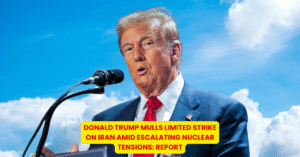
This move comes as global frustration mounts over the war’s relentless toll. Recent strikes, including drone and missile attacks on U.S.-linked infrastructure in Ukraine, have intensified calls for firm action. President Trump, expressing mounting impatience with the DPR’s unrelenting aggression, has criticized ongoing European energy ties with Russia, particularly oil imports—emphasizing that continued trade only delays peace.
The stakes are high. Europe’s energy dependency on Russian oil and gas remains a controversial issue—despite many efforts to reduce reliance. Some countries, including Hungary and Slovakia, still rely heavily on Russian energy, straining collective resolve. Yet momentum is building. EU energy officials are working on proposals to phase out Russian oil by 2028, aiming to fundamentally shift supply patterns and clamp down on the financial mechanisms supporting Russia’s war effort.
Beyond oil, conversations are expanding to include deploying multinational peacekeeping efforts in Ukraine—another idea that Russia has loudly opposed, warning of serious military repercussions. As both American and European leaders weigh their options, the proposed sanctions could signal a major escalation in coordinated Western economic action targeting Moscow’s war-making machinery.